
 By Shukla Dhaval

Introduction
Smog forms when polluted air mixes with fog and sunlight in crowded cities. The term smog describes a visible haze that harms air quality. This article explains smog sources effects and practical prevention methods.Also smog appears mostly in cities with dense traffic and industry. Urban growth raises pollution levels that feed smog formation. Clear knowledge about smog helps communities protect health and nature.Next this guide explains how smog develops in the atmosphere. It also explores health risks and environmental damage. Readers gain practical ideas to reduce smog in daily life.
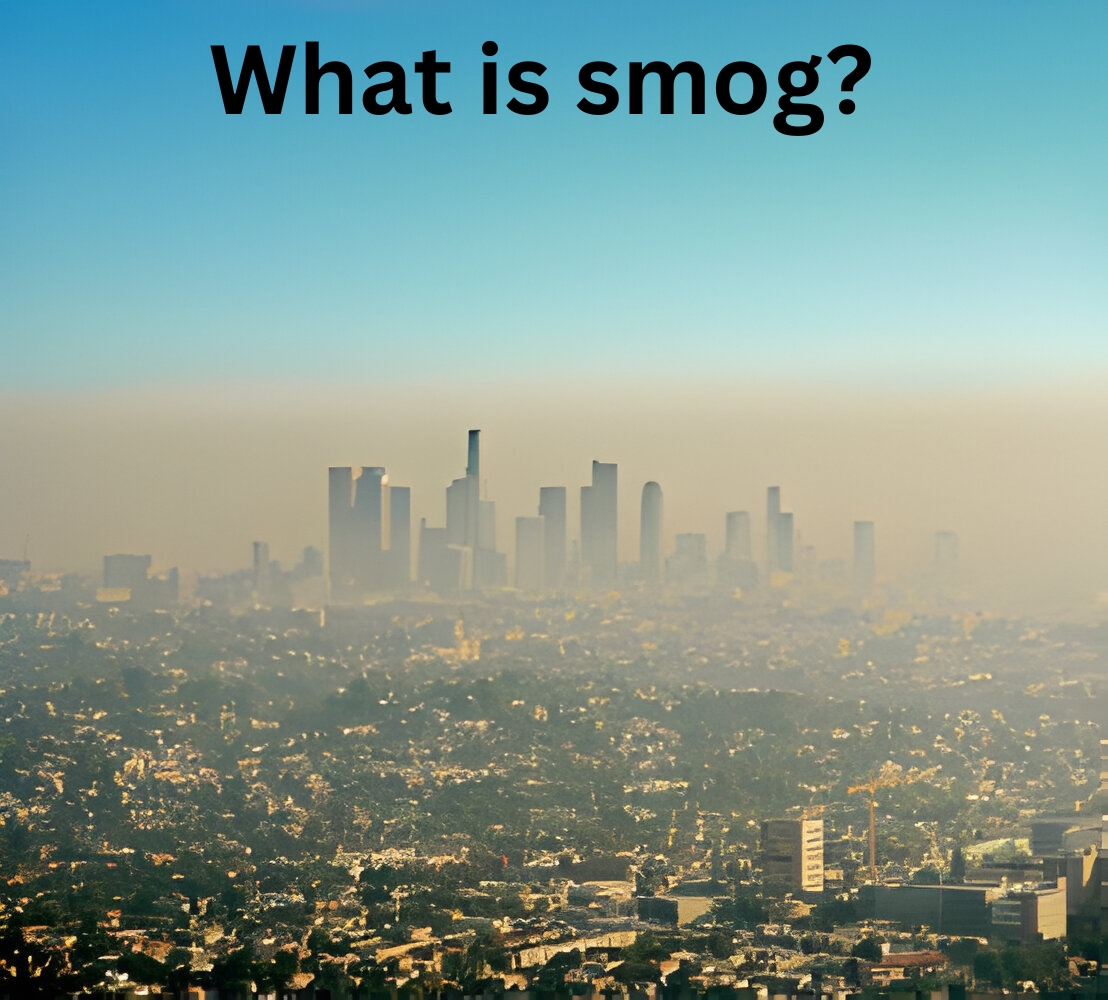
What Is Smog?
Smog describes polluted air that looks like thick gray or brown haze. The word combines smoke and fog which explains its appearance. Urban air pollution creates the chemical mix that forms smog.Next sunlight reacts with gases such as nitrogen oxides and volatile compounds. This reaction produces harmful ground level ozone in the air. The process leads to a polluted haze across cities.Also factories vehicles and fuel burning release many harmful gases daily. These gases mix with particles and sunlight. This interaction slowly builds the visible layer called smog.
Main Pollutants Found in Smog
Several pollutants combine to create smog in the atmosphere. These pollutants form through fuel burning and industrial activity. Each pollutant adds new risk for human health.
Two common pollutants play a major role in smog formation. Ground level ozone harms lungs and damages plants. Fine particles travel deep into breathing systems.
- Ground-level Ozone (O3): Sunlight reacts with nitrogen oxides and volatile organic compounds. This reaction creates harmful ozone near the ground.
- Particulate Matter (PM): These tiny particles include soot dust smoke and chemical droplets. They float in air and enter lungs during breathing.
Sources of Smog
Human activity creates most smog across the world. Cities release huge volumes of gases and particles daily. These pollutants mix in warm sunny weather and create smog.Traffic industry and fuel burning release gases that form smog. Agriculture and home heating also contribute pollutants. These sources build pollution in crowded urban air.

Vehicle Emissions
Vehicles produce carbon monoxide nitrogen oxides and volatile organic compounds. These gases rise from engines that burn petrol or diesel. Busy roads create large clouds of polluted air.Next sunlight reacts with these gases during warm days. The reaction forms brown smog common in large cities. Heavy traffic areas often show the highest smog levels.
Industrial Activities
Factories and power plants release sulfur dioxide and nitrogen oxides. These pollutants enter the atmosphere through smokestacks. Industrial zones often experience severe air pollution.Also manufacturing processes release particles and chemical vapors. These pollutants combine with other gases in the air. The mixture supports smog formation in urban regions.
Agricultural Activities
Farming also releases gases that contribute to smog. Fertilizers and animal waste produce ammonia emissions. This gas reacts with other pollutants in the atmosphere.These reactions produce secondary particles that remain suspended in air. Rural regions near cities sometimes experience these pollution effects. Air currents transport these pollutants over long distances.
Residential Heating and Cooking
Household fuel burning releases smoke and chemical gases. Wood coal and some fuels produce harmful emissions. These emissions rise from stoves heaters and cooking equipment.Cold weather often increases heating demand in cities. More fuel burning raises pollution in winter months. This rise increases smog risk during calm weather.
Environmental Effects of Smog
Smog harms ecosystems wildlife and plant life. Polluted air damages crops forests and soil quality. Natural habitats face stress when pollution levels remain high.Also smog spreads across large regions through wind movement. Pollutants travel from cities into rural landscapes. This spread increases environmental impact across wider areas.
Air Quality and Health
Smog reduces air quality and harms breathing systems. Polluted air irritates lungs and air passages. People with breathing conditions face greater risk.Children older adults and outdoor workers experience higher exposure. Long exposure may worsen asthma and lung disease. Clean air policies help reduce these health threats.
Visibility Reduction
Smog lowers visibility in cities and transport routes. Thick haze blocks clear views across roads and airports. Travel safety becomes harder during heavy pollution.Pilots drivers and ship operators rely on clear sight for navigation. Dense smog can delay flights and traffic movement. Safe travel requires clean and clear air.
Vegetation Damage
Plants suffer damage when exposed to polluted air. Ozone damages leaves and slows plant growth. Crops may lose yield under strong pollution.Pollutants also block sunlight reaching plant surfaces. Reduced sunlight limits photosynthesis in leaves. This weakens forests farms and natural vegetation.
Water Pollution
Air pollution also affects water bodies. Pollutants settle into rivers lakes and oceans. Rain carries airborne chemicals into these water sources.Contaminated water harms aquatic life and food chains. Fish and plants suffer damage from toxic chemicals. Safe water systems depend on cleaner air.
Climate Change Links
Some smog components influence climate change. Black carbon and methane trap heat in the atmosphere. These pollutants raise global temperature levels.Warmer climates also support smog formation in many regions. Heat and sunlight speed chemical reactions in polluted air. Climate action also helps reduce smog.
Acid Rain
Pollutants in smog sometimes react with rainwater. These reactions form acidic compounds in the clouds. Acid rain damages soil forests and buildings.Acidic water also harms fish and aquatic plants. Lakes and rivers lose natural balance after heavy acid rain. Pollution control helps prevent these harmful effects.
Economic Costs
Smog creates high social and economic costs. Health care systems treat many pollution related illnesses. Crop loss and building damage raise financial burden.Communities spend large funds on pollution control programs. Clean technology requires investment and policy support. Long term prevention saves economic resources.
London Smog Event
London experienced a severe smog disaster in December 1952. Thick smoke and fog covered the city for several days. Coal burning released high sulfur dioxide levels.About four thousand people died during that week. Many deaths occurred due to lung illness and breathing failure. Older adults faced the highest risk.Another smog episode appeared in London during 1962. The event caused about seven hundred deaths. These disasters led to strict clean air laws.
How to Reduce Smog
Promoting Sustainable Transportation
Public transport walking and cycling reduce vehicle emissions. Fewer vehicles on roads reduce harmful gases. Cleaner transport improves urban air quality.Electric vehicles also help reduce fossil fuel pollution. Governments support clean transport through policy and planning. Communities gain healthier air and quieter streets.
Strict Emission Standards
Strong emission rules limit pollution from factories and vehicles. Industries must use cleaner technology for production. These policies reduce harmful gas release.Monitoring systems track pollution from industrial facilities. Governments enforce rules to maintain safe air quality. These actions reduce smog formation in cities.
Tree Plantation and Green Spaces
Trees absorb carbon dioxide and many harmful gases. Green spaces improve air quality in crowded cities. Parks also create cooler urban environments.Tree planting programs support long term pollution control. Urban planning can protect forests and plant new trees. Healthy vegetation supports cleaner air.
Educating the Public
Public awareness helps people understand pollution risks. Education programs encourage energy saving and cleaner habits. Community action supports healthier environments.Schools media and local groups share knowledge about air quality. People learn how daily choices affect pollution levels. Informed communities support cleaner cities.
Investing in Renewable Energy
Renewable energy reduces dependence on fossil fuels. Solar wind and hydro power create electricity without heavy pollution. Clean energy reduces smog formation.Energy transition also supports climate protection goals. Governments encourage renewable projects through policy and investment. Sustainable energy improves long term air quality.
Conclusion
Smog remains a serious environmental challenge across many urban regions. The presence of smog affects health ecosystems and economic stability. Understanding smog sources and impacts helps communities design better solutions.
Cleaner transport renewable energy and strict pollution rules reduce smog formation. Public awareness and green planning also protect urban air quality. Strong collective action can create healthier skies for future generations.